
-
A viral X post claims the European Union plans to require passports for internet access and prevent VPNs from bypassing age verification.
-
The debate centers on the EU’s proposed age verification framework, although no law currently mandates passports or bans VPN services.
-
Privacy advocates and supporters of child protection remain divided over how far digital identity measures should extend.
A viral post on X just sparked fresh debate over the European Union’s digital identity plans. The post claims the bloc intends to require passports for internet access while blocking virtual private networks (VPNs) from bypassing the system. Thousands of users quickly joined the discussion, raising concerns about privacy, online anonymity, and government oversight.
CryptoTice shared the post, arguing that the European Union is moving toward internet access tied directly to personal identity. The post stated that the EU plans to require a passport before people can access the internet. It also claimed authorities want to block VPNs to ensure users cannot avoid the verification process.
The post expanded its argument by pointing to several European regulations. It referenced restrictions on large cash payments, cryptocurrency rules under the Markets in Crypto-Assets (MiCA) framework, and the bloc’s proposed age verification system. According to the post, these developments reflect more than consumer protection. It described them instead as signs of growing digital authoritarianism.
The claims quickly spread across X. Users debated whether the post accurately represented the European Union’s current policies or exaggerated ongoing legislative proposals.
EU age verification proposal becomes the focus of the discussion
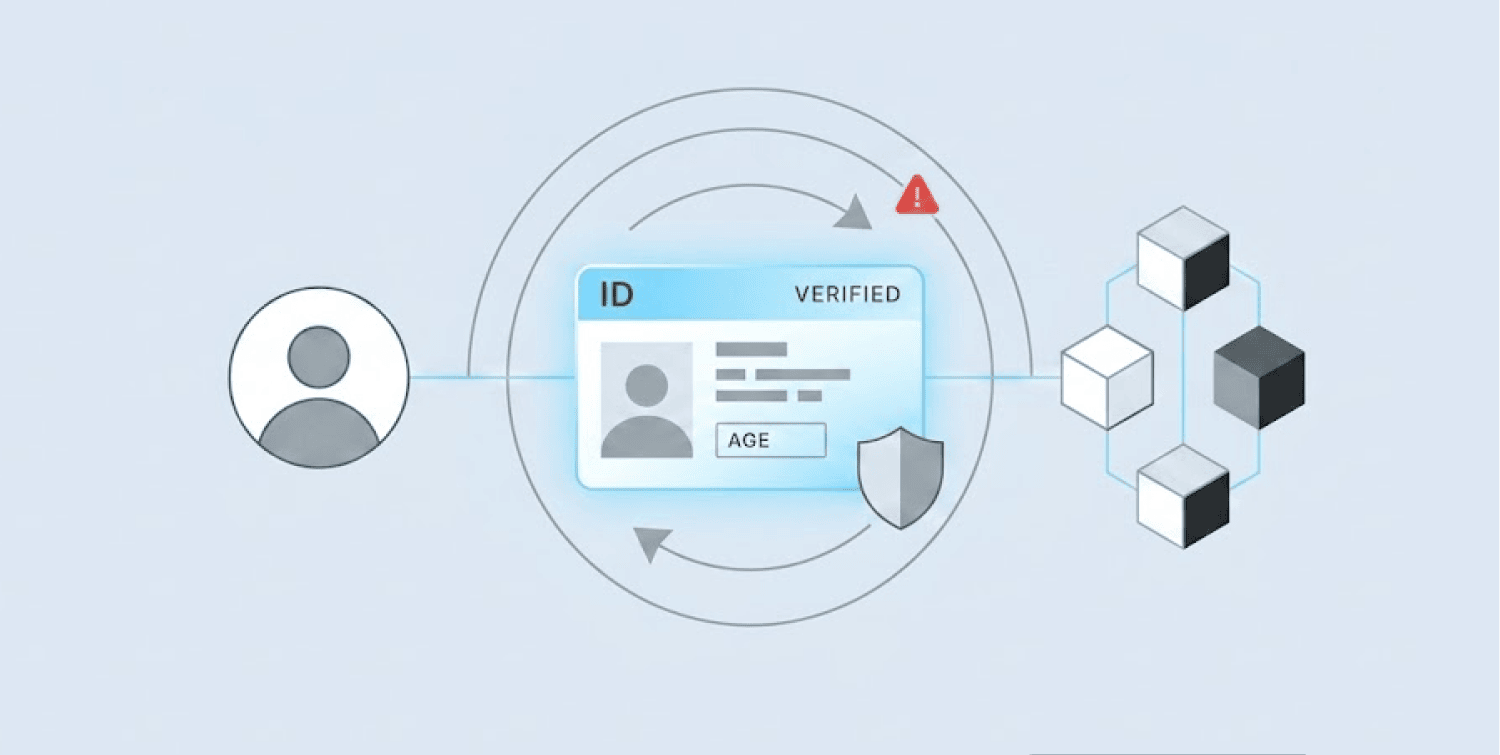
The controversy largely stems from the European Union’s proposed age verification framework. The initiative forms part of broader efforts to protect minors from harmful online content while officials continue developing the European Digital Identity Wallet.
According to the European Commission, the proposed framework allows users to prove they meet minimum age requirements without revealing unnecessary personal information. Officials say the system focuses only on verifying age rather than exposing a person’s complete identity. The Commission has consistently presented the proposal as a privacy-preserving solution designed to balance child protection with user privacy.
Despite those assurances, critics have questioned parts of the technical documentation supporting the proposal. One section suggests users should not easily bypass age verification through methods such as VPNs. That detail has fueled concerns among digital rights advocates, who fear stricter enforcement could gradually reduce anonymous internet access.
The concerns are not unfounded; privacy fears have already spurred a surge in VPN usage after Italy’s new law.
However, no current European Union law requires citizens to present passports before browsing the internet. Likewise, the bloc has not introduced a blanket ban on VPN services. Several users challenged the claims circulating online. One X user, Bernerkulous, argued that the viral post misrepresented existing policy by treating research documents as enacted legislation.
According to Bernerkulous, people should carefully examine the claims because the alleged requirement never appears in any European law. The user added that no legislation currently mandates passports for internet access, while the VPN reference comes from a parliamentary research briefing rather than a binding law.
The commenter concluded that exaggerating future risks weakens legitimate criticism of real digital privacy concerns. The response attracted significant attention as more users joined the discussion. Many debated whether age verification could eventually evolve into broader digital identity requirements.
Users are split between privacy concerns and child protection
Not everyone viewed the proposal negatively. Some users argued that governments have a responsibility to protect children from harmful material online, even if stronger verification systems become necessary. Antonio Falconieri defended stricter online protections during the discussion.
According to the user, many parents have grown frustrated with children encountering pornography on the internet. Falconieri also pointed to Italy’s restrictions on cellphone use during school hours, arguing stronger age verification could better protect young people from harmful online content.
Others approached the debate with humor instead of political arguments. One X user joked that ordinary internet users may soon need cybersecurity skills simply to browse online safely. The commenter sarcastically suggested people would suddenly become cybersecurity experts whenever websites requested age verification.
The same user continued the joke by suggesting people might eventually need passports simply to watch cat videos or argue with strangers in online comment sections. The remark reflected broader concerns among users who fear increasing regulation could make everyday internet use more complicated.
Privacy advocates continue warning that expanding digital identity systems could gradually weaken anonymous browsing. Many argue that once identity verification becomes common for certain services, governments may eventually broaden those requirements.
Supporters reject that interpretation. They argue the current proposal specifically targets age-restricted platforms rather than general internet access. From their perspective, the initiative focuses on protecting children instead of monitoring every online activity.
Current laws do not support the viral claims
The debate highlights how quickly complex policy proposals can become simplified on social media. Discussions surrounding digital identity, online privacy, and child protection often involve technical details that can easily lose context once they reach wider audiences.
The European Union continues developing its digital identity framework alongside age verification measures. Officials maintain that the system aims to verify users’ ages while limiting unnecessary collection of personal information.
At the same time, privacy advocates continue monitoring the proposals closely. They argue technical implementation matters just as much as legislative intent because design choices could affect online anonymity long before broader identity requirements ever become law.
The viral X post successfully reignited long-standing concerns surrounding digital privacy and government oversight. However, its central claims remain unsupported by current European legislation. At present, the European Union has not approved any law requiring passports for general internet access. It has also not enacted legislation banning VPN services across the bloc.
