
-
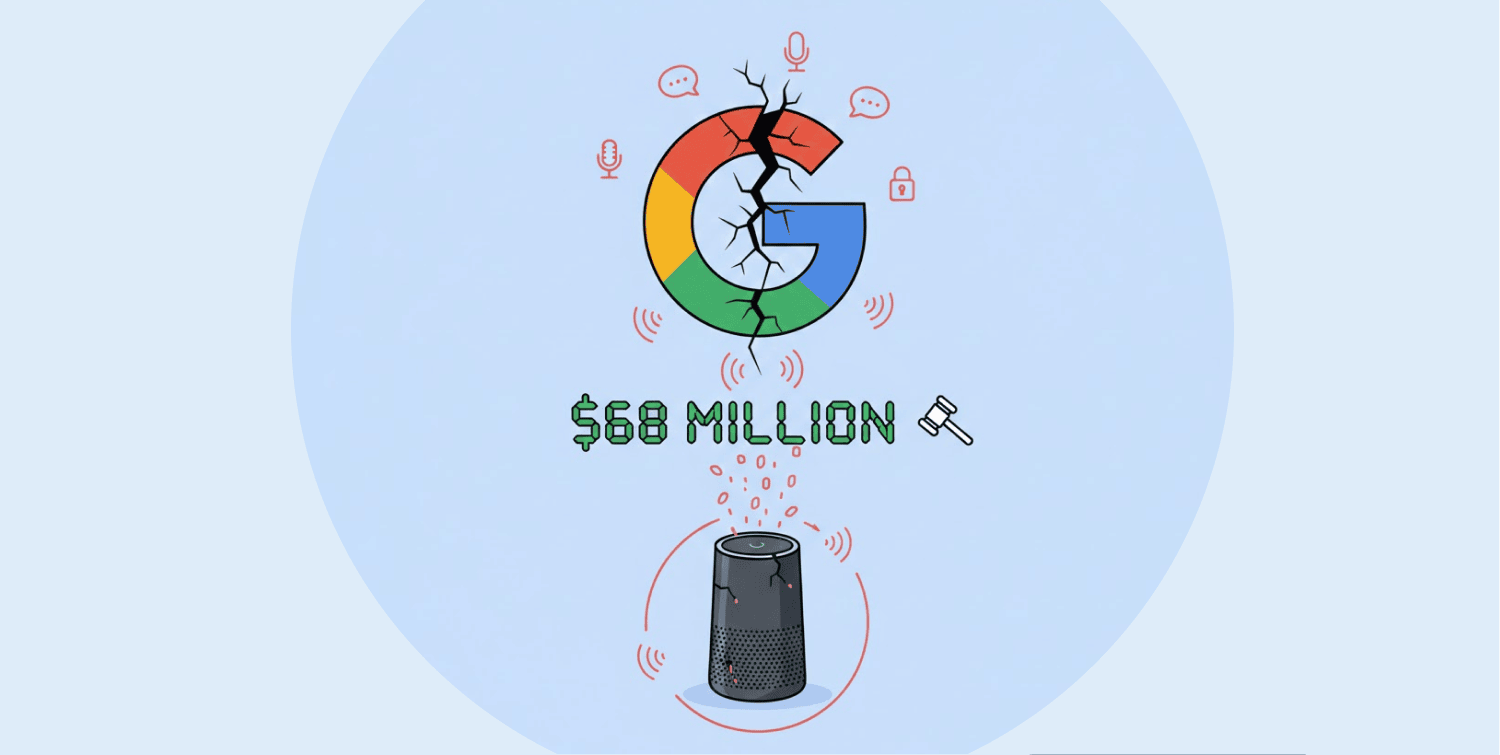
Google agreed it will pay $68 million to settle claims that its Voice Assistant recorded personal conversations of users without their approval.
-
Users raised alarm that the technology activates and records the things they are discussing personally and never planned to share.
-
The recordings served as a bridge for ad firms to direct personalized ads to the users whose Voice Assistants recorded their conversations.
Imagine your phone on the counter is comfortably recording the private gist between you and your partner about weekend plans, shopping, or even the government. All this time, you never knew, you never even said “Hey Google” to activate it. It just heard something close enough, and now that private session just got captured and forwarded to Google’s servers.
That exact incident hit numerous Android users; based on a class-action lawsuit, Google agreed to pay the price. The tech giant will pay $68 million to make this case go away.
The primary agreement was done late Friday in federal court in San Jose, California. US Locale Judge Beth Labson Freeman still needs to approve it.
“False accepts” put Google in a huge lawsuit
The design of the Voice Assistant is to wake up ONLY when you command it with phrases like “Hey Google” or “OK Google.” But according to the lawsuit, this technology failed too often.
However, the assistant wakes mistakenly, and this is the “false acceptance” in tech speak. It hears ordinary conversation and somehow interprets random words as activation commands. Then, it begins to record. According to Google, those recordings help them to structure ad profiles and reach users using personalized adverts.
The verdict from the lawsuit says that anyone who experienced these technical lapses or bought Google devices from as far back as May 18, 2016, Google will pay them. Based on Court documents, these unintended recordings stored private gists, personal moments, and conversations that users did not agree to share.
Throughout the legal brawl, Google stood its ground that it did nothing wrong; nevertheless, the firm agreed to pay off anyway. According to their statement, they want to dodge the bigger risks, costs, and uncertainties that accompany lawsuits. Reporters tried to dig more on Monday, but Google’s headquarters in Mountain View, California, declined.
The money trail and industry pattern
The settlement breaks down like this. Plaintiffs’ attorneys can request up to one-third of the entire money, which is about $22.7 million for legal fees and associated expenses. The rest gets divided among affected class members. How much each person receives hasn’t been disclosed yet.
This isn’t Google’s first rodeo with privacy settlements. Last year, the company handed over $1.4 billion to Texas alone. That massive payout resolved two separate lawsuits claiming the tech giant violated state data privacy laws.
And Google isn’t alone in this mess. Apple faced nearly identical accusations about Siri. The iPhone maker settled with smartphone users for $95 million last year over the same issue—voice assistants recording when they shouldn’t.
The pattern of data vulnerability extends beyond corporate collection to include failures in safeguarding stored data. This is starkly illustrated by the recent alleged theft of 1.6 million patient records from OpenLoopHealth, demonstrating that once data is collected, whether intentionally or by mistake, it becomes a target.
The pattern is clear. Voice-activated systems preach convenience but foster surveillance. They sit in our homes, bedrooms, and even follow us into our most personal spaces, with ears wide open, awaiting that magic command. But when the technology fails and starts recording anyway, where does that leave user privacy?
What this means for smart device users
These settlements highlight a fundamental tension in modern tech. We want devices that respond instantly to our voices. We want seamless integration into our daily lives. But we also expect privacy. We expect control over what gets recorded and shared.
The Google settlement serves as a wake-up call about data collection practices and the real limits of user consent. When your device activates without permission, is that consent? When private conversations become advertising data, have companies crossed a line?
The proliferation of smart devices within homes will continue to generate consumer questions concerning privacy protection, which will lead to the continuation of the current lawsuits and increased regulatory oversight.
Transparency of how companies manage consumer data will be necessary for companies going forward. Also, companies must be held accountable and liable if their methods of providing privacy protection are not successful.
This vulnerability isn’t limited to corporate data collection; when security fails, user data can also become a target for malicious actors, as seen when hackers leaked the data of France’s prestigious Sorbonne University to the dark web.
