
-
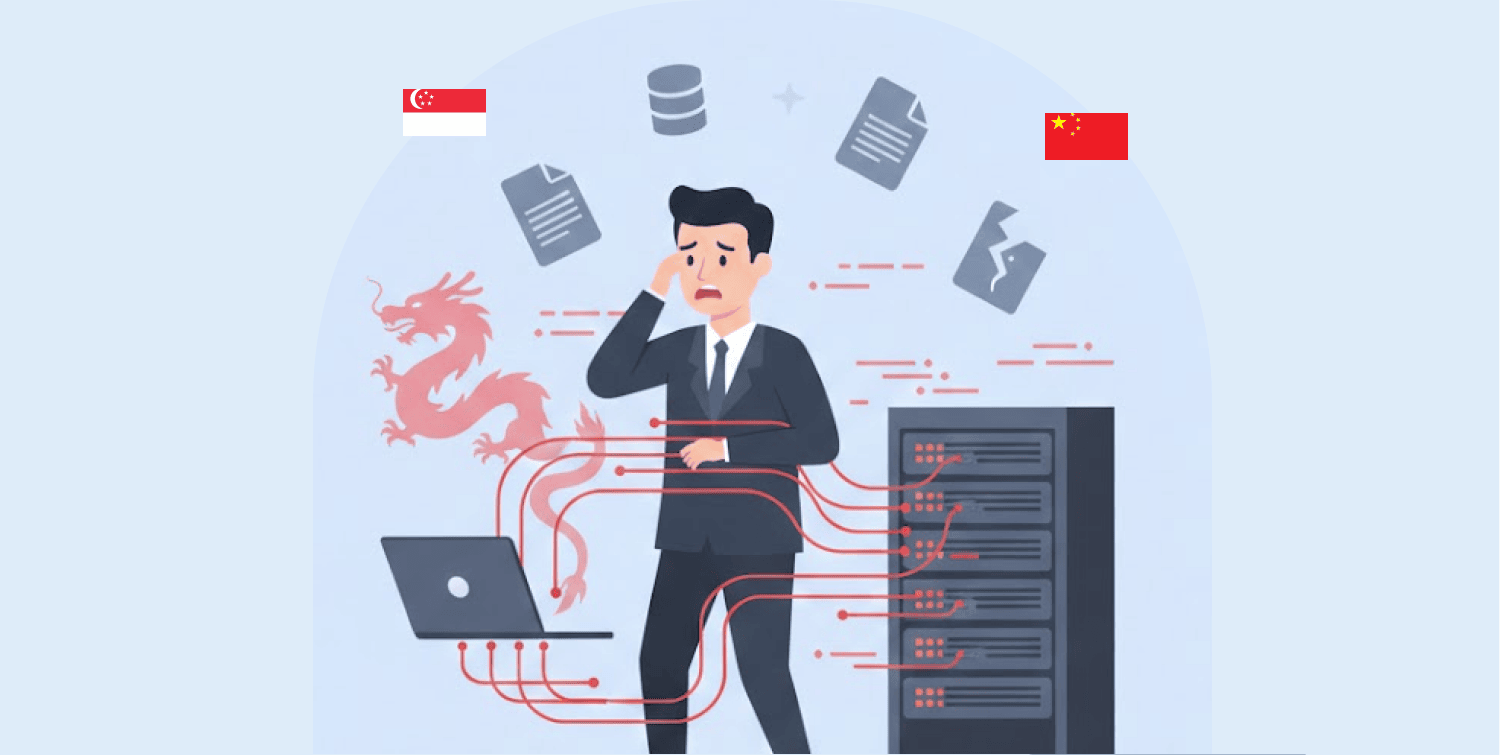
A cyber-espionage organization associated with China, known as UNC3886, was able to hack into major telecom networks in Singapore.
-
Customer data remained safe despite the fact that Maltamoit Mobile, Singtel, StarHub, and Simba Telecom experienced intrusion incidents.
-
The hackers extracted technical network data to further their operational goals without disrupting services.
Calls go through. Data keeps moving. Your phone never misses a beat. But behind the scenes, hackers were already inside. Singapore’s biggest telecommunications firms are in exactly the same boat. The City-State has been hit by a very complex cyber espionage campaign recently made public.
On Monday, Singapore’s Cyber Security Agency announced that all four of the country’s major telecommunications companies had been targeted by a cyber hacking group known as UNC3886. In addition, they are not some random hacker organisation, but instead, they are based in China and are known for hacking similar types of companies, such as those involved in Defence, Technology, and Telecoms in both the USA and Asia.
Hackers penetrated systems, extracted network data
The intrusion was real and successful. According to the agency, UNC3886 managed to penetrate parts of the telecom infrastructure. They gained access to internal systems. Fortunately, they couldn’t knock services offline or grab personal user data.
But they did walk away with something. The agency confirmed hackers extracted a limited amount of technical data. As officials explained, “This is believed to be primarily network-related data to advance the threat actors’ operational objectives.” In plain English? They took intel that helps them understand the network better for future operations.
This revelation marks the first time Singapore has publicly identified what UNC3886 went after. Last July, the government acknowledged responding to cyberattacks from this group. They said attackers were targeting high-value strategic assets. Now we know those assets included critical telecom infrastructure.
Who is UNC3886?
Google-owned cybersecurity firm Mandiant tracks UNC3886 closely. They’ve labeled it a “China-nexus espionage group.” The group specializes in advanced persistent threats. Their targets? Defense contractors, technology firms, and telecommunications companies spanning the United States and Asia.
Of course, Beijing routinely denies these allegations. China’s standard response is that it opposes all cyberattacks and actually considers itself a victim of such threats. The Chinese Embassy in Singapore hasn’t commented on Monday’s announcement.
Still, the pattern fits. UNC3886 has been active for years. They use sophisticated techniques. They’re patient. They blend in. Their goal isn’t quick cash or immediate chaos. It’s intelligence gathering for long-term strategic advantage.
This pattern of stealthy, data-focused intrusions is not unique to Asia, as seen in recent cyberattacks against other strategic institutions like the European Space Agency, where stolen staff data was subsequently leaked on the dark web.
Telecom providers acknowledge ongoing threats
In their joint statement, Singtel, StarHub, M1, and Simba made it clear that every telecommunications provider faces constant, ongoing cybersecurity risks. Among these risks are: Distributed Denial-of-Service attacks; malware; phishing, and much more advanced persistent threats such as UNC3886.
The four companies highlighted their accountability in a joint statement: ‘We use multiple layers of defense to protect our entire network from all types of cyberattacks and respond promptly and thoroughly to every identified threat. They also noted their continued collaboration with both government agencies and industry experts to enhance their security and defensive capabilities.
Cybersecurity experts use “defense-in-depth” to refer to adding layers of protection on top of each other. Using the castle analogy, once an attacker breaches one wall, additional walls stand behind it, so a defense-in-depth strategy makes the intruder’s job much harder.
The fact that many services continued to function, and customer information remained intact, would indicate that these multiple layers of security provided some level of effectiveness.
Although the intrusion caused limited damage, it shows that even well-defended networks are not completely safe from state-sponsored attacks.
Singapore’s announcement of the data leak demonstrates how serious, ongoing, and evolving cyber threats are. Even highly developed and secure economies face new attacks from highly motivated attackers.
These motivations range from geopolitical intelligence gathering to individual criminal profit, with stolen data invariably finding its way to the same shadowy online markets.
Disclosures of these events allow others within the industry to learn from them and to make necessary adjustments. It is a clear message that vigilance is critical, not a choice, in today’s digital environment.
