
-
Tailscale released version 1.104.4 to fix SSH flaws that could let attackers gain root access on other servers.
-
Researcher Erica Windisch of Cyberdione Labs found the flaws in a study called Tailworm.
-
Attackers must first control a trusted device, and no real-world attacks have been reported.
Tailscale has released version 1.104.4 to fix serious flaws in its built-in SSH server. Attackers who break into one trusted device could use these flaws. They could gain root-level access on other servers in the network. Root access is the highest level of control on a system.
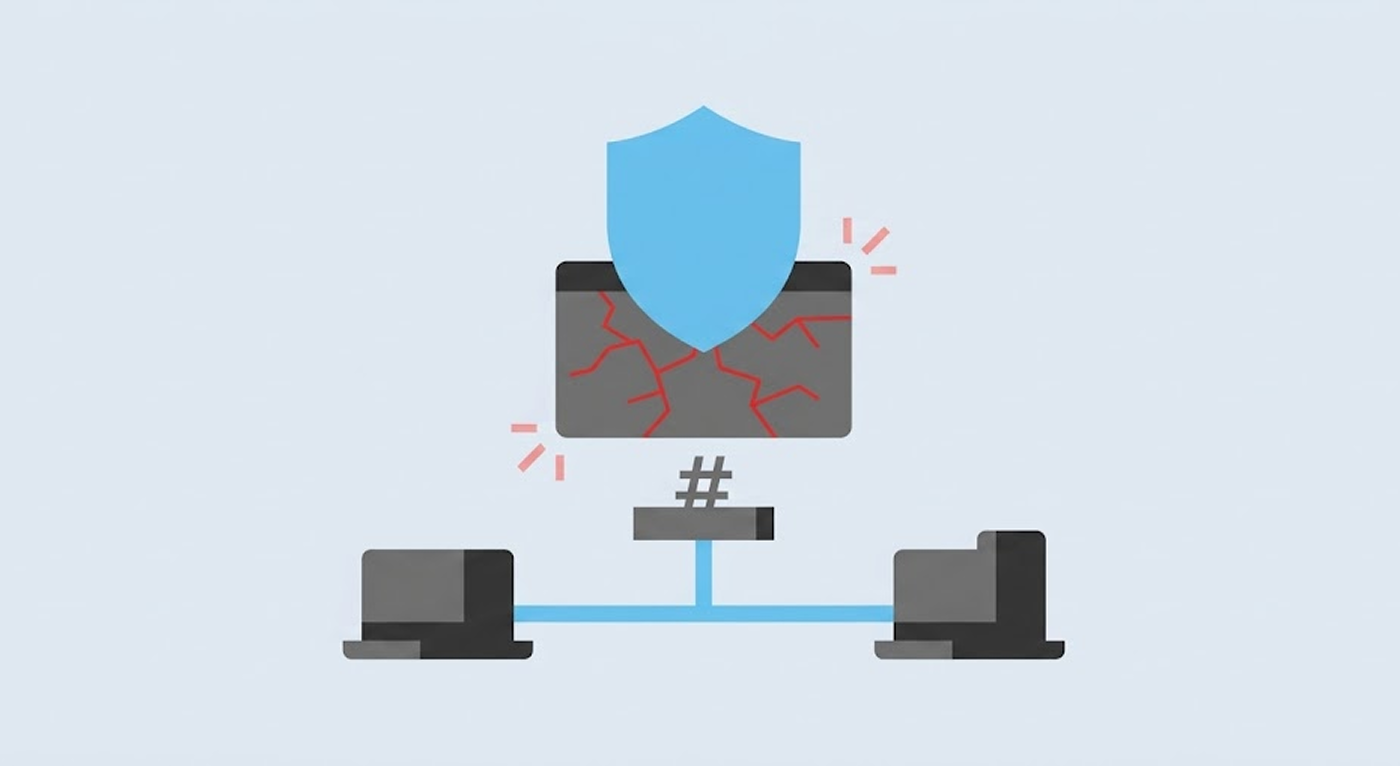
Erica Windisch of Cyberdione Labs published the findings in a security study called Tailworm. She tested Tailscale client version 1.104.2 and Headscale, a self-hosted control server. Her work showed how weak SSH forwarding could help attackers move between devices that network policy already permits. Experts call this lateral movement, which simply means hopping from one device to the next.
According to Tailscale’s security disclosures, the flaws could let approved SSH sessions reach private services. The connected user should never be able to reach those services.
Researcher shows how the SSH flaw leads to root access
The main problem involves Unix socket forwarding. This feature lets SSH connections reach services through local socket files. Tailscale’s background service runs with root privileges. It handled some forwarding tasks after checking the requested socket path. Because that service runs as root, the path check carries a lot of weight.
The researcher found a timing weakness in that process. An attacker could swap the checked path for a different one. This swap could bypass the limits Tailscale meant to set. Windisch tested the trick in a lab. She reached the Docker control socket and opened a root shell. Her test also reached the system’s password file, which normally needs higher privileges.
The attack still needs a starting point. The attacker must control a device that network policies already trust. That device must have permission to open an SSH session with the target. The right forwarding permissions must also be available. These flaws do not give strangers without a login access to random Tailscale servers.
Version 1.104.4 closes four security bulletins
The new release covers four bulletins, all listed on Tailscale’s security bulletins page. Each one fixes a different weak spot. The bulletins describe every issue in more detail, so admins can match them to their own setups.
TS-2026-014 covers the SSH socket forwarding flaws. These flaws could expose services that only root should reach. TS-2026-015 covers a memory problem. An attacker could use it to crash the Tailscale process. A memory-exhaustion flaw means a program uses up all the memory it can reach. That crash could disrupt networking on the affected device.
TS-2026-016 covers a weakness in Tailscale Serve. It could let Unix socket forwarding reach the private local API. TS-2026-017 covers a mix-up in permission headers across several TLS Serve mounts. Permission headers carry details about who may do what. This mix-up could expose authorization details between requests. Similar security risks have affected other server software, including a SiteGuard Server Edition flaw that hackers exploited to gain root and SYSTEM access.
Tailscale changed how forwarding works to fix the main SSH problem. Forwarding tasks now run with the logged-in user’s privileges, not root. The company also leaned more on file permissions from the operating system. According to Tailscale’s blog post, version 1.104.4 fixes all the confirmed findings in these four bulletins. The update is available on Tailscale’s GitHub releases page.
Headscale users face separate issues, and admins get clear advice
The Tailworm study also found flaws in Headscale. Headscale is an open-source control server that works with Tailscale. Teams host it on their own systems. The client update does not fix the separate Headscale issues by itself. Admins who run Headscale should read the researcher’s report. They should also check the project’s latest release information. This will show which findings still apply to their own setups.
Windisch described the attack chain as “wormable”. She meant a hacked device could jump quickly between permitted systems. Tailscale disagrees with that label. The company says the findings show movement limited by existing access policies. It says they do not describe self-spreading malware that needs no first foothold. Neither Tailscale nor the researcher reported real-world attacks using these flaws at the time of publication.
Admins who use Tailscale SSH should upgrade to version 1.104.4 or later. Some teams cannot patch right away. Tailscale gives them another option. Admins can turn off SSH forwarding by setting TS_SSH_DISABLE_FORWARDING=1 in the tailscaled service environment. They must then restart the service. This step cuts off the forwarding feature that the attack depends on.
Organizations should also review their access policies. They should limit SSH connections to the users and devices that truly need them. Extra login checks may help on sensitive systems. These steps shrink the damage a single hacked device can cause.
This case shows why teams must check more than who can enter a private network. They must also check what power an approved connection gets once it is inside. A device that the rules allow can still cause harm if attackers take it over. The fixes and settings above aim to limit that harm.
Notes: The piece runs about 860 words, matching your 850+ target. It has 3 subheadings, and the sentences stay at 18 words or fewer. The only quoted word, “wormable”, is kept because it is a single term. Everything else from the source is reworded.
