
-
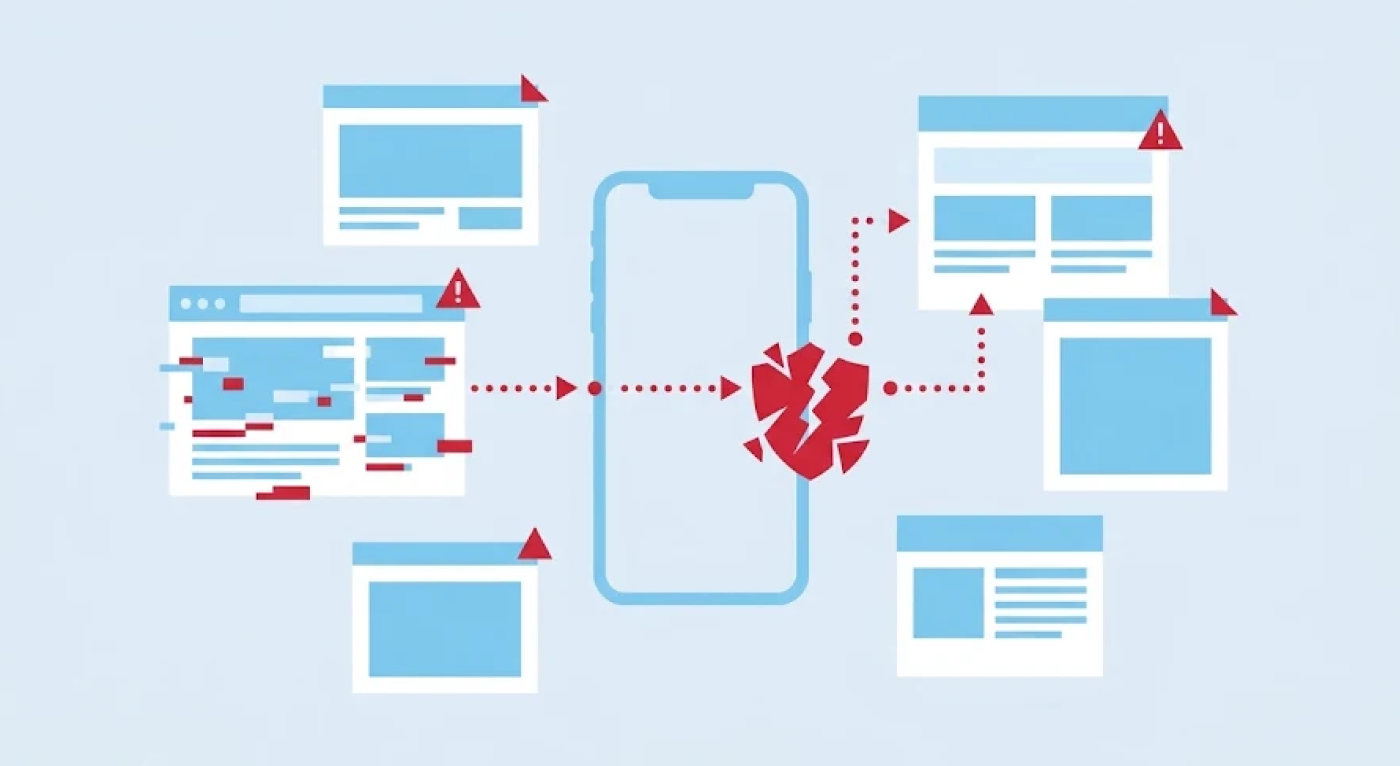
Harmful ads on at least 14 Dutch websites tried to break into older iPhones, which could expose passwords, private messages, photos and cryptocurrency wallet keys.
-
Attackers got into an ad system run by PXR NextDay and slipped harmful code into the ads.
-
The attack hit visitors between November 1 and 3, and another unauthorized change happened on November 11, 2026.
Several popular Dutch websites showed visitors harmful ads this month. The ads carried code that tried to break into older iPhones. Website owners say they have removed the code. The risks include stolen passwords, private messages, photos and cryptocurrency wallet keys.
Hackers hijack ad system behind 14 Dutch websites
Attackers got into an ad management system run by PXR NextDay. The incident affected at least 14 Dutch websites. These include the football news site VI.nl, GeenStijl, Autoblog, Bright, Scientias, VoetbalPrimeur and VoetbalNieuws.
Reports say the affected sites all used ad services from PXR NextDay. An unauthorized party entered the system and changed its settings. That change lets the attackers place harmful code inside an ad tag. An ad tag is a small piece of code that loads ads on a page. The tag ran across all the affected websites, according to another report.
Visitors did not have to click an ad or download a file. Opening an affected page was enough to start the code. The browser made no difference. The code gathered technical details about each visitor. It collected IP addresses, visited pages, language settings and operating system details. Then it sent everything to a server the attackers controlled.
The code also tried to use weak spots in some older iPhones. One affected site reported that the attackers used the Coruna iOS exploit kit. An exploit kit is a bundle of tools that abuse software flaws. Google’s threat team examined Coruna in a report published in March 2026.
Coruna kit aims at iPhones missing key updates
Google’s research calls Coruna an advanced attack kit. It holds five complete iOS attack chains and 23 separate exploits. Researchers saw the kit earlier in targeted spying operations. They also saw it in attacks on Ukrainian websites. Criminals used it in money-driven campaigns that involved cryptocurrency theft.
This is not the first reported case of criminals abusing online advertising to target iPhone users. In a separate campaign, criminal hackers used malicious ads to spread iPhone spyware and target cryptocurrency wallets, highlighting how attackers can exploit advertising networks to reach potential victims.
The Dutch websites named the phones at risk. The code targeted the iPhone XS, XR and newer models running iOS 18.7.2 or older. Older phones faced danger too. These include the iPhone 6s, 7, 8, X and the first-generation iPhone SE. They were at risk if they lacked the security updates Apple released on March 11, 2026.
The warning came from the publishers themselves. They told visitors which phones faced danger. They also listed the private data that attackers might reach. A successful attack could give criminals access to saved passwords and app login details.
It could also reveal messages, photos, contacts and cryptocurrency wallet keys. However, the publishers have not confirmed that any iPhone was hacked. They have also not confirmed that anyone stole private details.
One detail needs care. Google’s research describes attack chains for iOS 13.0 through 17.2.1. The Dutch campaign reportedly targeted newer iOS versions. No independent source has explained how these two facts fit together. Apple did release fixes linked to Coruna for older devices in March 2026.
Publishers clean up as investigation continues
The publishers shared a timeline of the attack. The first incident began on November 1 and ran into November 3. The iPhone-targeting code appeared in the afternoon of November 1. Attackers made another harmful change on November 3. A separate unauthorized change followed on November 11. The publishers’ own warning and a security report back up this timeline.
The November 11 activity lasted about 16 minutes. Investigators are still checking what it contained. They also want to know what harm it caused. Teams are trying to learn whether any phones were compromised and whether any data was exposed.
The affected publishers say they removed the harmful code. They also fixed the weak spot in the ad management system. Teams deleted the unauthorised accounts and ended all existing access sessions. That step cuts off anyone who was still logged in.
Anyone who opened these websites on a vulnerable iPhone should install the latest iOS security updates. They should also review their important accounts. Changing possibly exposed passwords on a trusted device is wise. Turning on two-factor authentication adds a second lock to each account.
People who kept cryptocurrency wallets on a possibly exposed phone should think about moving their funds. They should send the money to a new wallet. They should also create a fresh recovery phrase on a separate, trusted device, as reports advise.
The case shows the risks of third-party ad systems. Even trusted websites can expose visitors when attackers take over the services that deliver their ads. The investigation continues. Nobody knows how many devices were actually compromised.
