
-
Coles is investigating a cyber security incident, but says it has found no evidence of compromised customer, staff or supplier data.
-
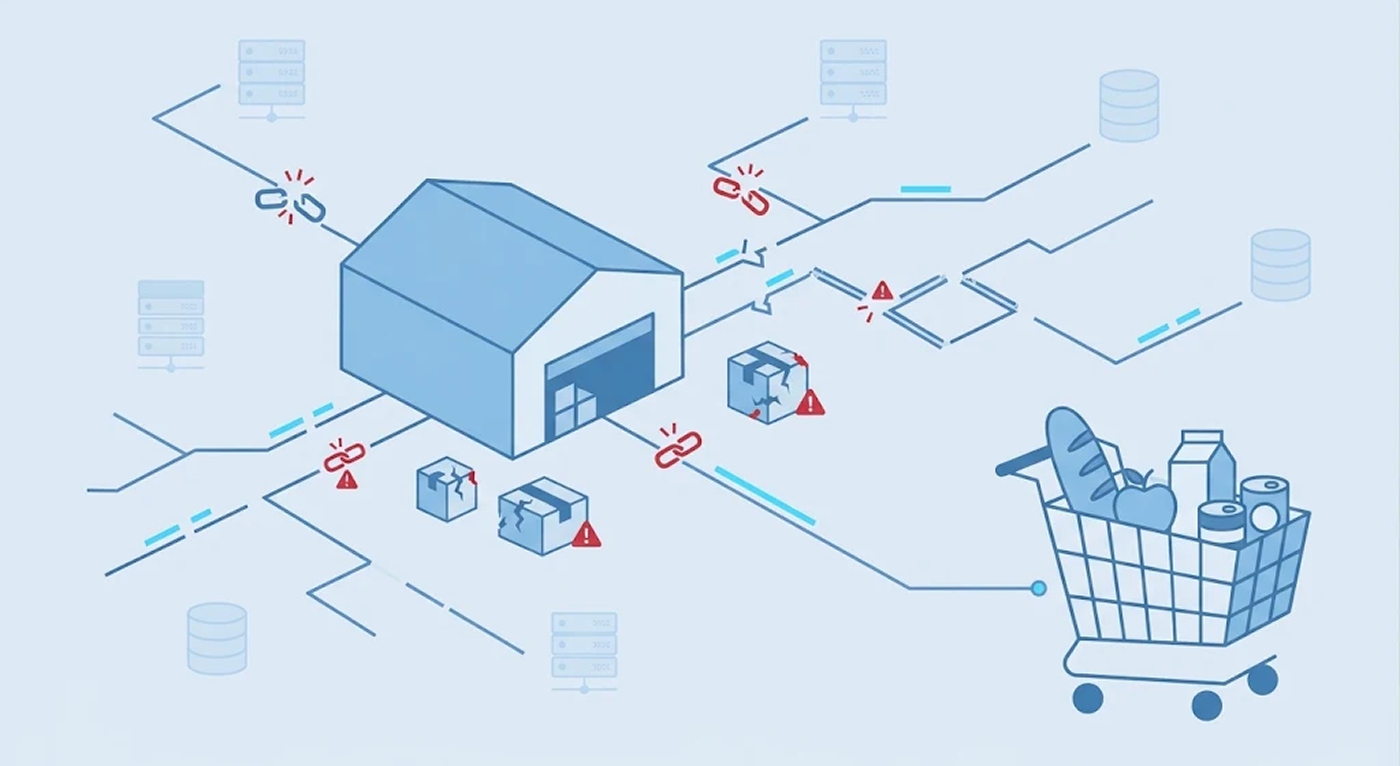
Hackers remotely changed freezer settings at European stores, causing food spoilage across at least 11 countries.
-
Claroty warns that exposed refrigeration systems, weak passwords and outdated software can create similar risks in Australia.
Big supermarket chains in Australia are taking a closer look at their IT measures after a string of cyberattacks disrupted supermarkets across Europe. Coles has acknowledged a cyber security breach and is looking into the matter, while Woolworths and Aldi are reassuring customers about their data safety.
The latest episode raises concerns about supermarket refrigeration, supply chains, plus customer information. Cyber security firm Claroty has warned of more attacks in Australia if companies do not take the security of their vital assets seriously.
Coles investigates cyber incident
Coles has initiated an inquiry into a cybersecurity issue at the firm. The supermarket has also called in global cyber professionals and partnered with government agencies. Coles says its physical and online outlets remain operational as usual. Customers can keep purchasing from the stores.
The business states that it has not discovered proof of breach of data of its customers, employees or suppliers. The company does not reveal when the incident took place or which particular software systems the attackers have actually attempted to access.
Cyberattacks can also expose sensitive business information beyond customer and employee records. In a separate incident, in December last year, a ransomware gang allegedly stole Comcast’s network plans and listed them for sale on the dark web, highlighting the risks companies face when internal technical information falls into criminal hands.
Further, Coles expressed its regret to customers for the distress caused by the investigation process. The corporation promised to put out more information through its site in the future.
The investigation is taking place as more and more cyber incidents occur both in Australia and throughout the globe. Companies have to protect not only data regarding clients but also systems they use to chill food and operate placement points.
European freezer attacks raise alarm
Hackers recently targeted supermarkets and butchers across Europe. They remotely changed the settings on refrigeration systems and caused large amounts of chilled and frozen food to spoil.
The attacks affected stores in at least 11 countries, including France, Belgium, Sweden, Ireland and the Netherlands. Reports say hackers raised freezer temperatures, with some systems set as high as 50 degrees. The incidents led to loss of food supplies and financial harm. They illustrated how criminals can gain access to equipment through their respective systems connected to the internet.
According to Claroty experts, at least one thousand Danfoss store systems suffered exposure online across the world on the day of the attack that took place in November. That means the systems are publicly accessible via the internet.
Also, Claroty has found vulnerabilities in Danfoss and Copeland refrigeration equipment. The security company reports that such flaws can enable attackers to control the system remotely.
The attacks in Europe did not have an immediate influence on the Australian shops. But the chief technology officer of Claroty, Jason Pearce, noted that the same methods can be used in Australia.
Claroty is a cybersecurity firm which aims to protect companies from any vulnerabilities in OT systems. Its technology keeps track of industrial devices employed in plants, hospitals, energy companies, and supply chains.
The company did not conduct the attacks in Europe, but its experts examined open systems and alerted companies about those vulnerabilities.
The company also states that risk is significantly higher if the management system is accessible through the Internet. It also says that weak passwords and outdated software strengthen the positions of attackers.
Australian retailers respond
Woolworths has claimed that it does not connect its refrigeration systems to third-party sources. Aldi has also claimed that it does not use outside help in monitoring and maintaining its refrigeration systems.
Such measures prevent hackers from manipulating freezing facilities through the internet. However, it is advisable that supermarkets continue checking their systems and updating the software.
Coles has not published any statements regarding the protection measures of its refrigeration systems. Nevertheless, the company claims that there is no evidence that its investigation has any connection with European cases of freezing equipment failure.
The laws regulating infrastructure in Australia apply to the supply chain of the largest supermarket companies operating in the country. These include Coles, Woolworths, and Aldi.
However, the laws do not specify the freezing equipment, which has prompted some experts to demand more comprehensive regulation of freezing technology & other store equipment.
Supermarkets should protect their computer systems and devices. A weak password, old software or an exposed control panel can give criminals a way into a store network.
What businesses must do
Food companies need to consider refrigeration as a significant cyber asset and keep these facilities separate from public networks whenever possible.
They must also create strong passwords and quickly update their software and limit remote access. This is because implementing these practices actions can frustrate criminals trying to access their devices.
Companies must monitor suspicious activities on their networks. Erratic changes in the temperature of their freezers, irregular attempts to log in or attempts to access devices should alert them to potential intrusion.
Regular training of the employees is also important. Employees must be knowledgeable enough to identify fraudulent emails, false log-in pages, and unfamiliar requests for access outside of the company.
A backup plan can become a means to mitigate the harm if something happens. The business must always have copies of vital information and regularly check the effectiveness of the plan.
The food industry of Australia must now find a balance between cost, security, and convenience. While the implementation of the advanced technology allows for increasing proficiency, the need for the security of the devices grows as well.
