
-
A hacker called BUGSTER used AI tools to attack Indian organizations, including two public universities.
-
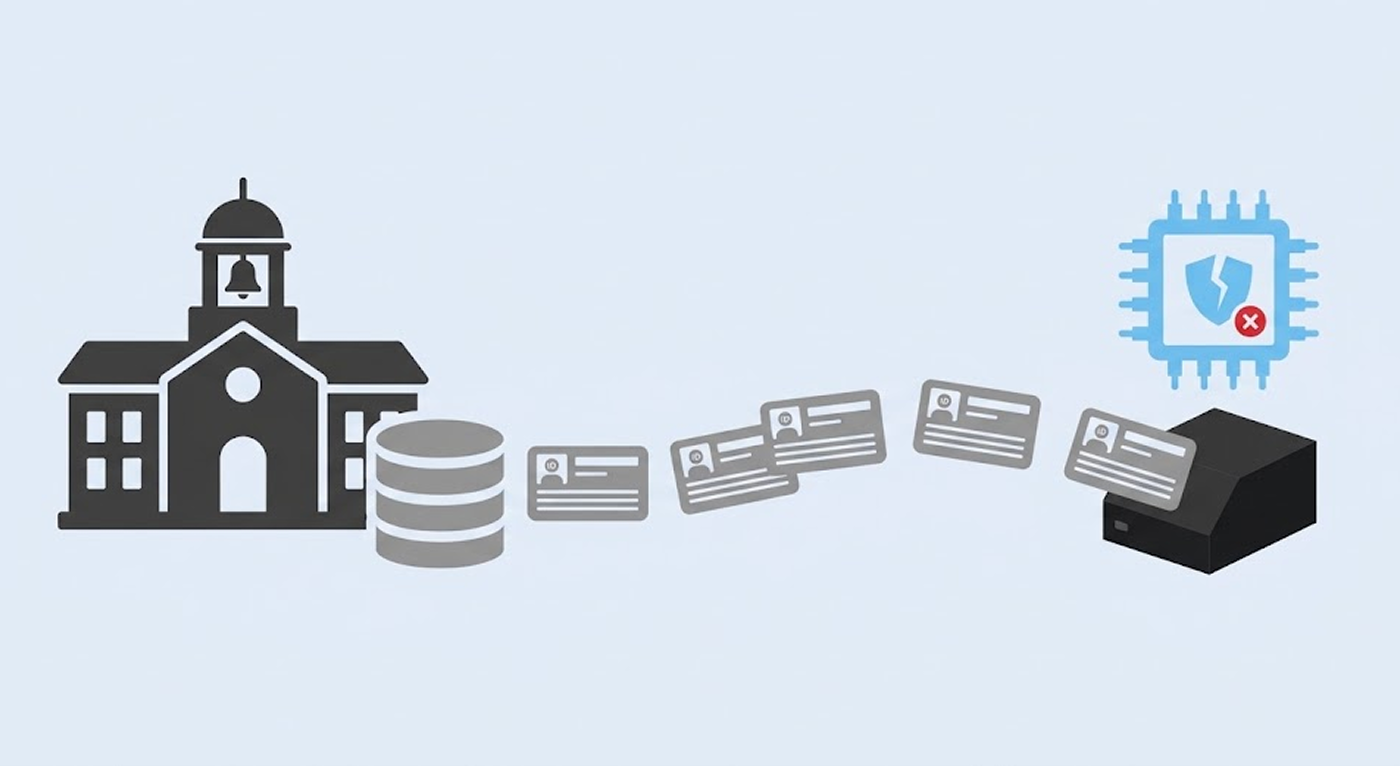
Researchers confirmed the theft of more than 5,200 student and faculty records from one university.
-
The same hacker also planned phone fraud, Wi-Fi password cracking, and cryptocurrency research.
A hacker used a jailbroken AI system to power several crimes. The targets included Indian universities, and thousands of personal records were stolen. BUGSTER used AI-assisted tools to attack Indian organizations. Two of them were public universities. This comes from a new report by Unit 42, the threat intelligence team at Palo Alto Networks.
Unit 42 published its findings on October 21, 2026. The team named the hacker as BUGSTER. This person combined the Hermes Agent framework, DeepSeek V4, and a coding tool called Cursor.
According to the report, BUGSTER switched off the safety controls on these AI tools. In plain terms, jailbreaking removes the safety limits built into an AI tool. That step lets the hacker get advice and scripts for crimes.
BUGSTER hits two Indian Universities with AI-Made scripts
The biggest confirmed case involved an Indian public university. The attacker got a database with more than 5,200 student and staff records. The records held personally identifiable information, or PII. This kind of data can point to a real person, such as a student. The report did not name the school. The records belonged to both students and faculty members. Unit 42 found proof of attacks on two universities in total.
In the first case, BUGSTER used AI-written reports to study a school’s online learning platform. The AI tools produced both the research reports and the password script. The hacker then prepared a brute-force campaign. That means trying many passwords until one works. First, the hacker found 12 subdomains.
Next, the hacker pulled 13 active user IDs through WordPress REST API features and author sitemaps. An AI-made script then tested 117 usernames against 28 common passwords. According to Unit 42, the script found one working login.
In the second case, the hacker broke into the MongoDB database of another university. The hacker took out more than 5,200 records. Investigators also saw a weak administrator password. They found exposed details about the cloud setup too. A third-party storage account was exposed as well.
For users concerned about exposed personal information, Google’s decision to shut down its Dark Web Report tool also highlights the changing options available for monitoring potential data exposure.
The report adds an important limit. It does not say DeepSeek carried out the attacks alone. BUGSTER used several tools, and AI helped at different stages. These findings show how automated research, generated scripts, and weak passwords can work together. The second case also involved a weak administrator password and exposed cloud details.
Unit 42 also found that the hacker looked into an Indian online store. This target was separate from the two universities. The hacker pulled a storefront API token and three administrator email addresses. The haul also included two phone numbers and payment merchant IDs.
Phone fraud and Wi-Fi cracking plans surface in report
The investigation found more than data theft. Unit 42 saw signs of phone fraud, Wi-Fi password cracking, and cryptocurrency research. It also saw command-and-control operations.
BUGSTER built special AI helper profiles to study Voice over IP (VoIP) fraud. The topics included carrier requirements and caller ID faking. They also covered ways to dodge compliance checks. One AI-made file had a section about the next exploit chances. That section listed possible follow-up attacks.
Here is the catch. Unit 42 found no call logs and no Session Initiation Protocol traces. It also found no live call routing. So the report cannot confirm that the phone fraud plan ever went live.
Researchers also spotted an automated Wi-Fi password-cracking pipeline. The process needs access to nearby wireless networks. Because of this, Unit 42 judged that the hacker likely stayed close to the targeted places. The report also records efforts to find people who hold large amounts of cryptocurrency.
Still, this research alone does not prove that any crypto theft happened. The report treats the phone fraud plan, the Wi-Fi tool, and the crypto research as separate efforts. The first and last of these remain unproven.
Researchers say cheap AI tools are drawing more criminals
Unit 42 said BUGSTER used fairly basic tools and AI-made scripts. This suggests that easy-to-reach AI systems helped fill gaps in technical skill. Researchers also saw other, unrelated hackers adopt the same Hermes Agent and DeepSeek pairing.
According to the report, low costs make this toolset attractive to criminals. Weak resistance to prompt tricks adds to the appeal. A prompt trick is an attempt to talk an AI past its safety rules. The report sets two clear limits. Not every DeepSeek user is linked to crime. The findings also do not show that the AI provider took part in the attacks.
The case points to a wider security problem. AI can help attackers automate research, write scripts, and organize complex plans. Even so, hackers still need access, tools, and weak spots to attack. AI does not remove those needs.
The report also stresses basic defenses for universities and other groups. The findings reinforce the value of strong passwords and multifactor authentication. It also stresses strict database access controls and secure API settings. Monitoring matters too. Groups should watch for odd login attempts and large data transfers.
In short, Unit 42 gave evidence of one confirmed university database theft. Its report also describes several other criminal activities or plans. The report does not name the hit schools. It also does not show that every planned attack worked.
