
-
LG monitors can trigger Windows to install companion software without asking for user approval.
-
The software receives access to “All system resources” and has shown McAfee trial advertisements after installation.
-
The discovery has raised fresh concerns about Microsoft’s automatic software installation system and user consent.
Many people expect a monitor to start working as soon as they plug it into a computer. A recent investigation, however, found that some LG monitors do much more than display images. They can also cause Windows to install software automatically, without asking the user first.
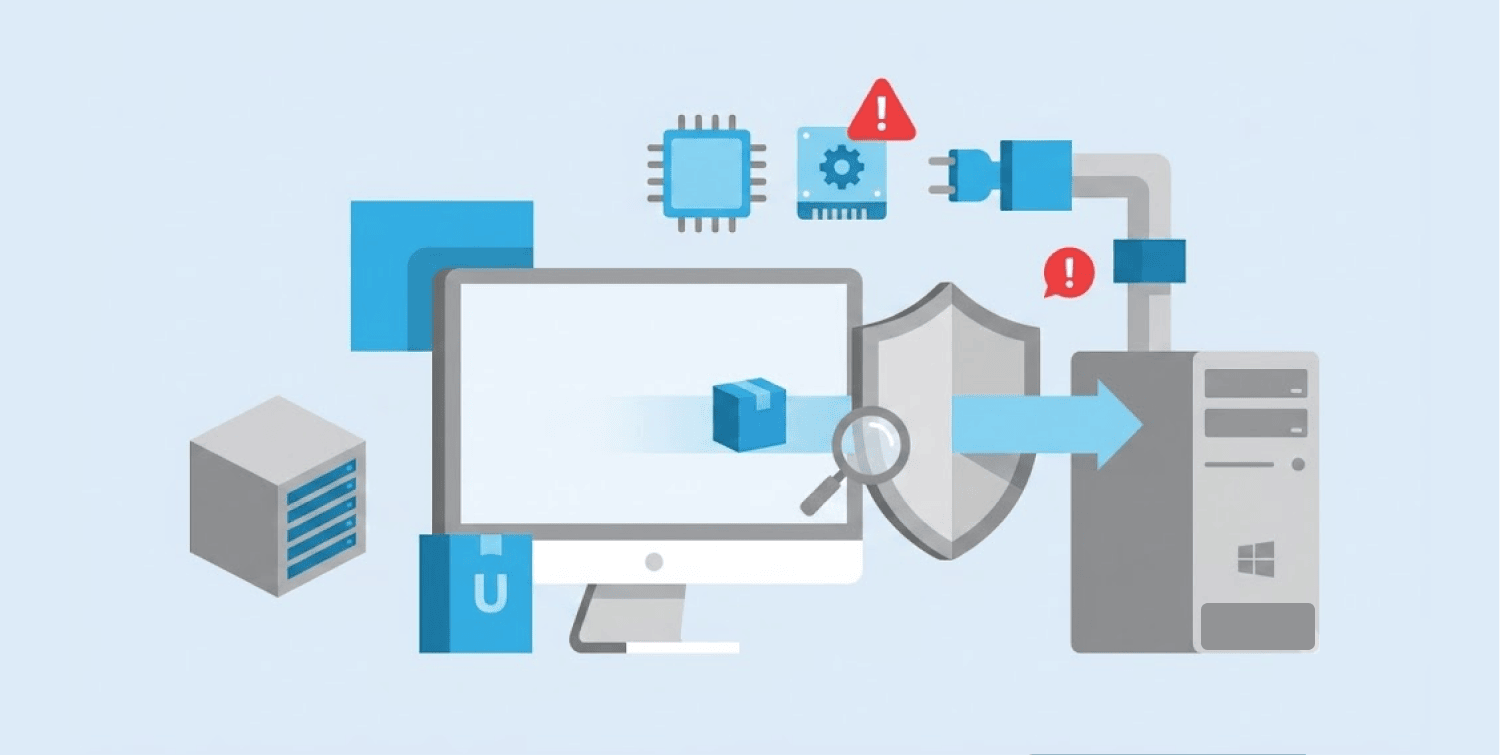
The issue came to light after hardware review outlet Gamers Nexus examined several LG monitors. During testing, the team found that connecting certain LG UltraFine and UltraGear monitors to a Windows PC made Windows Update download and install a program called LG Monitor Application Installer.
According to the investigation, the installation finished in about one minute. Windows did not ask for permission before downloading the software. It also did not display a privacy notice or an installation confirmation. For many users, the first sign that anything had changed was not a message about new software. Instead, they saw a pop-up promoting a free 30-day trial of McAfee security software.
The findings quickly drew attention across the technology industry. Several publications, including Privacy Guides, Tom’s Hardware, TechSpot, PC Gamer, Notebookcheck, and TechRadar, also reported on the discovery. Their reports brought wider attention to the automatic installation process and sparked fresh debate about user privacy and consent.
Software permissions become the main concern
Many hardware makers provide software that helps users manage their devices. That alone is not unusual. The bigger concern is how this software arrives and what it is allowed to do after installation.
According to the Microsoft Store listing referenced by Privacy Guides, the LG Monitor App Installer receives permission to access “All system resources” along with internet access. Those permissions allow the software to work closely with the Windows operating system.
Even so, investigators made an important point. They said they found no evidence that the software was stealing personal information or carrying out harmful actions during testing. Instead, researchers explained that the concern comes from the level of access the software receives.
Combined with internet access, those permissions could allow the software to perform many actions beyond changing monitor settings. Notebookcheck also reported that some test systems received a McAfee Scam Detector component together with the LG software package.
Gamers Nexus observed something similar during its own testing. Most users mainly received McAfee promotional pop-ups after the installation. In some cases, Windows also suggested downloading other LG programs.
The investigators stressed that they did not witness the software sending private information away from the computer or acting like malware. According to the researchers, the biggest issue is that users never had the chance to decide whether they wanted the software installed in the first place.
Windows feature faces fresh questions
The discovery has also turned attention toward Microsoft’s device installation system. Windows includes a feature that automatically downloads drivers and companion software for supported hardware through Windows Update. Microsoft originally created the feature to make setting up new devices easier.
The issue highlights how trusted platforms can be exploited; fake GitHub repositories have also been used to spread malware like BoryptGrab.
Instead of searching for drivers manually, users receive them automatically after connecting compatible hardware. Critics now argue that this same trusted system should not quietly install software that includes promotional content.
They say the practice makes it harder for users to tell the difference between useful device software and unwanted advertising. Gamers Nexus also found that the behavior was not limited to newly released monitors.
According to the publication, monitors that were almost three years old also triggered automatic software installation. Some of those displays had already been in daily use inside the outlet’s own office. This suggests the installation process has likely been active for a long time.
It also means people could be affected even if they bought their monitor years before learning about the feature. Technology publications have also pointed to similar reports involving monitors from other manufacturers. Those reports suggest that the Windows feature may be used more widely across the hardware industry than many users realized.
No public response yet
Privacy groups have encouraged users who want more control to review Windows device installation settings or Group Policy options. However, these settings are mainly designed for advanced users. Some Windows editions also do not include every option needed to manage automatic software installations.
At the time of publication, LG had not released a public statement addressing concerns about the LG Monitor App Installer or its automatic installation. Microsoft has also not announced any changes to the Windows feature that allows companion software to install automatically when supported hardware is connected.
Investigators also repeated an important point throughout their findings. They said they found no proof that the software was collecting sensitive user data or performing malicious actions. Instead, the reports focus on how the software reaches users without notice and the wide system permissions it receives after installation.
The incident has now raised broader questions about how much control users should have when new hardware connects to their computers. Many experts believe automatic driver installation remains useful because it helps devices work quickly.
At the same time, they argue users should know when extra software is being installed and should have the choice to accept or decline it. For now, the installation process remains unchanged.
Users who connect compatible LG monitors may still receive the LG Monitor App Installer through Windows Update without a permission request. They may also see promotional messages for McAfee or recommendations for other LG software shortly afterward.
Until either company announces changes, the discussion is likely to remain focused on user consent, software permissions, and how much control people should have over programs installed automatically on their computers.
