
-
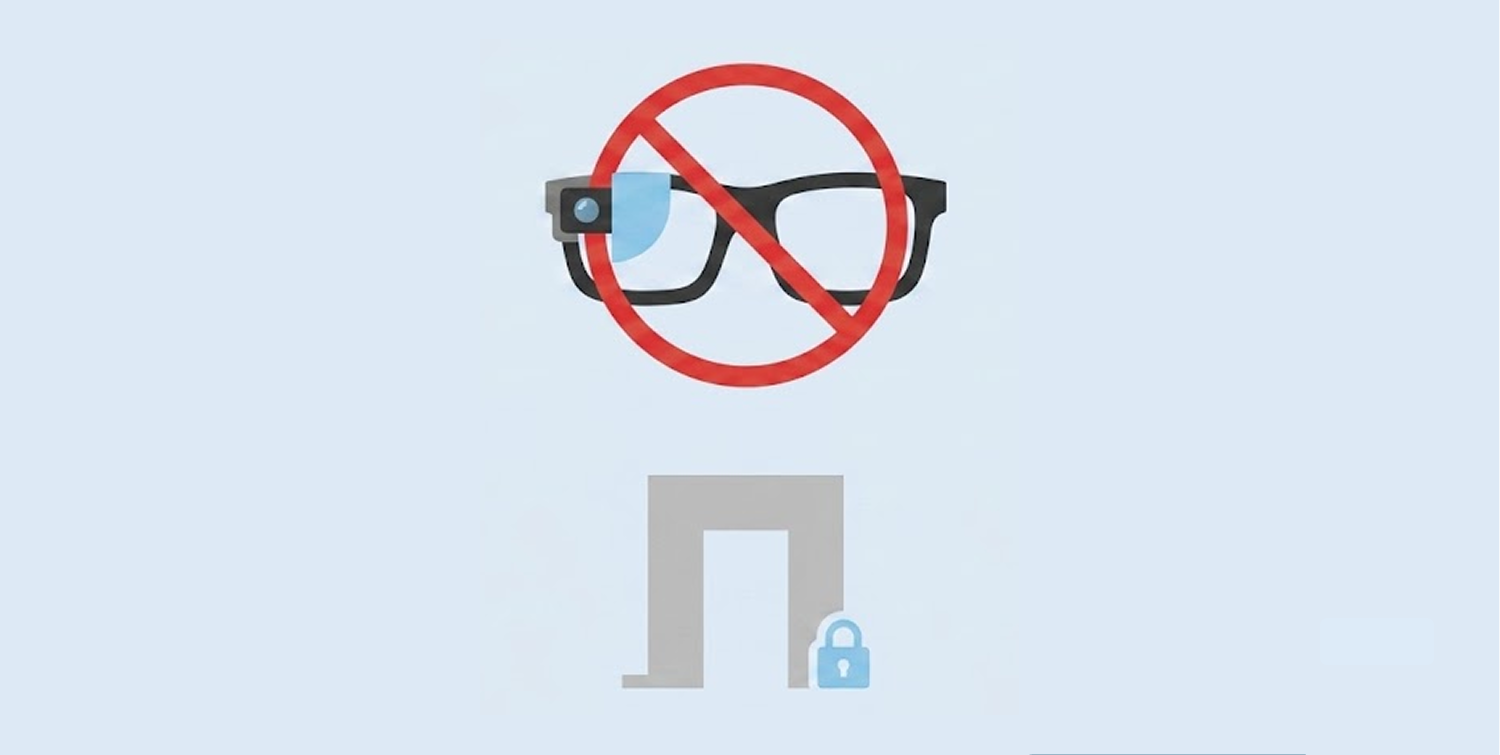
Major British pub chains, fine dining spots, and theaters are banning Meta smart glasses to protect guests and workers from secret recording.
-
Critics argue that the small white LED indicator light fails to alert bystanders, while smart frames look almost identical to regular eyewear.
-
Backlash grew following reports of third-party video reviews, unconsented public filming, and secret tests involving facial recognition software.
Across the UK, a number of well-known venues are banning the use of the smart glasses from Meta. This aims to ensure that there is no secret recording of patrons and staff of such establishments. Organizations, such as historic London restaurants and major pubs have decided that patrons with attached cameras on their glasses will not enter into their premises.
Although the developers of the gadget have promoted it as an item of fashion, owners of these establishments feel that it allows the wearer to spy on others without their consent. The popularity of this device among people indicates a serious gap between the developers of wearable technology and the generally accepted notion of privacy.
For instance, people using regular smartphones need to hold their device to take a picture, thus warning people nearby of an active recording. However, the film-making mechanism of the smart glasses makes them look like regular prescription glasses. So, it is impossible for people to discover the fact that a person wearing them is filming.
Major hospitality chains and cultural venues bar smart eyewear
Restaurateur Jeremy King told reporters that guests cannot wear recording eyewear inside his high-end London spots, including Arlington, The Park, and Simpsons in the Strand. He emphasized that business owners must safeguard customer privacy against digital intrusion while people dine inside private establishments.
In a similar way, popular pub chain Wetherspoons prohibited customers from using such glasses to protect guests and employees. CEO Tim Martin explained that taking pictures of people in the premises without their consent is against standard venue codes. Such an act can also create conditions for clandestine observations.
In addition, major performance spaces like ATG Theatres are taking proactive steps by instructing theatergoers to remove recording glasses before shows begin. Private social clubs like Soho House have also clarified that their strict no-filming policies apply directly to smart eyewear.
According to The Guardian, this growing technological development has led some individuals to grow concerned about its implementation. Many feel it has given rise to constant monitoring in their lives. As a result of their discomfort, hospitality businesses have taken measures to restrict the use of this technology.
Some of the main hospitality companies imposing strict regulations against smart glasses are:
- Wetherspoons has issued a ban on recording both employees and customers in their pubs using smart glasses.
- Jeremy King Restaurants prohibits the use of smart glasses at its restaurants as it intends to protect guest confidentiality during meals.
- ATG Theatres has ordered guests to leave their recording device either at home or in the coat room before getting into the theater.
- Soho House has extended restrictions on the use of cameras within its exclusive clubs to apply to all smart glasses.
Consequently, the swift adoption of venue bans demonstrates that social norms are reacting quickly to counter hidden recording technology. Managerial staff realize that not addressing covert filming can cause discomfort and lead to situations where customers do feel unsafe. Therefore, establishing straightforward policies goes a long way in preserving the peace of public areas as much as possible.
The failure of visual indicators and hardware design realities
Meta claims that its smart glasses include built-in safeguards to prevent secret recording during daily use. The company built a small white LED light into the frame that blinks whenever the camera captures video content. Furthermore, internal hardware rules allegedly disable the camera if someone attempts to block or modify the indicator light.
However, independent research shows that tiny indicator lights fail to provide meaningful protection for the general public. Studies from cognitive privacy groups reveal that most people miss the small blinking light entirely in busy environments. Others simply assume the tiny glow signals an active Bluetooth connection rather than an active camera feed.
Legal experts at Purdue Global Law School point out that modern smart frames closely resemble standard glasses. That seamless styling makes it nearly impossible for everyday citizens to distinguish smart frames from standard optical wear. Therefore, relying on a minor LED light places an unfair burden on nearby people to stay constantly vigilant against hidden cameras.
Besides design flaws, growing legal challenges highlight deeper flaws in how hardware companies handle user privacy. Earlier this year, Clarkson Law Firm filed a major class-action suit against Meta Technologies. The suit accused the latter of misleading advertising regarding the privacy guarantee of its smart glasses.
In addition, Swedish investigative journalists found out that third-party contractors working for the company in Kenya scrutinize recorded video clips of users, even the ones they filmed in their homes. These discoveries challenge corporate claims that smart glasses protect personal boundaries.
Secret facial recognition tests and cloud data handling risks
Privacy concerns deepened following news regarding how Meta processes recorded media on central cloud servers. Company policies allow internal systems and human reviewers to examine AI interaction data to train future models. Although media files stored in cloud accounts are deleted automatically after thirty days, those files remain accessible for training during that window.
Additionally, news reports revealed that software updates quietly introduced experimental facial recognition capabilities into the companion app. The underlying code converted captured facial images into unique biometric signatures to identify strangers in public settings. The system could even trigger automatic alerts when the camera detected a recognized individual.
Following the immense pressure from the public, Meta has to remove its biometric code. Also, organizations fighting for civil rights like the Electronic Frontier Foundation still express serious concerns about this matter.
Meta’s approach to user data has also drawn scrutiny in other areas, the company recently launched an AI image generation feature that uses public Instagram profiles by default, allowing its AI to be trained on users’ uploaded images without explicit consent.
Privacy defenders state that quietly testing public identification capabilities raises serious problems with respect to personal consent. Internal company memos showed that executives considered launching these invasive features during politically chaotic periods to minimize public pushback.
Meanwhile, real-life cases of abuse indicate those tools can be dangerous when used without consent. Reports pointed out that some people used smart glasses to film activities in private places without people’s knowledge and those videos went online.
In separate legal cases, officials charged former public administrators for using smart glasses to record intimate acts without consent. These cases prove that stealthy recording devices easily enable harassment and extortion.
Individual protection steps and practical privacy recommendations
Content developers who use smart glasses must ensure they obtain unambiguous consent from individuals they want to film in both public and private areas. Users should refrain from wearing such camera-equipped glasses in intimate settings, such as restaurants, changing rooms, and private gatherings.
If you think someone is filming you through smart glasses, then do not hesitate to request they stop immediately. You possess the right to ask the person to delete any footage showing your identity. Venue personnel normally act if any patron fails to oblige such basic privacy requests.
Also, citizens can use identity protection services to track if any leakage of their personal information on media or public forums. The latest AI security cameras and smart glasses are increasing the risks of leaked personal information online. The automated monitoring systems send alerts each time the phone number, email, or photos appear online.
In conclusion, the public venue bans serve as a signal to tech companies regarding consumer rights and boundaries. Manufacturers should focus on creating effective safety measures instead of relying on poor security indicators.
Until companies have the means to provide effective consent mechanisms for physical wearable, their smart glasses will remain banned in public places to protect patrons.
