
-
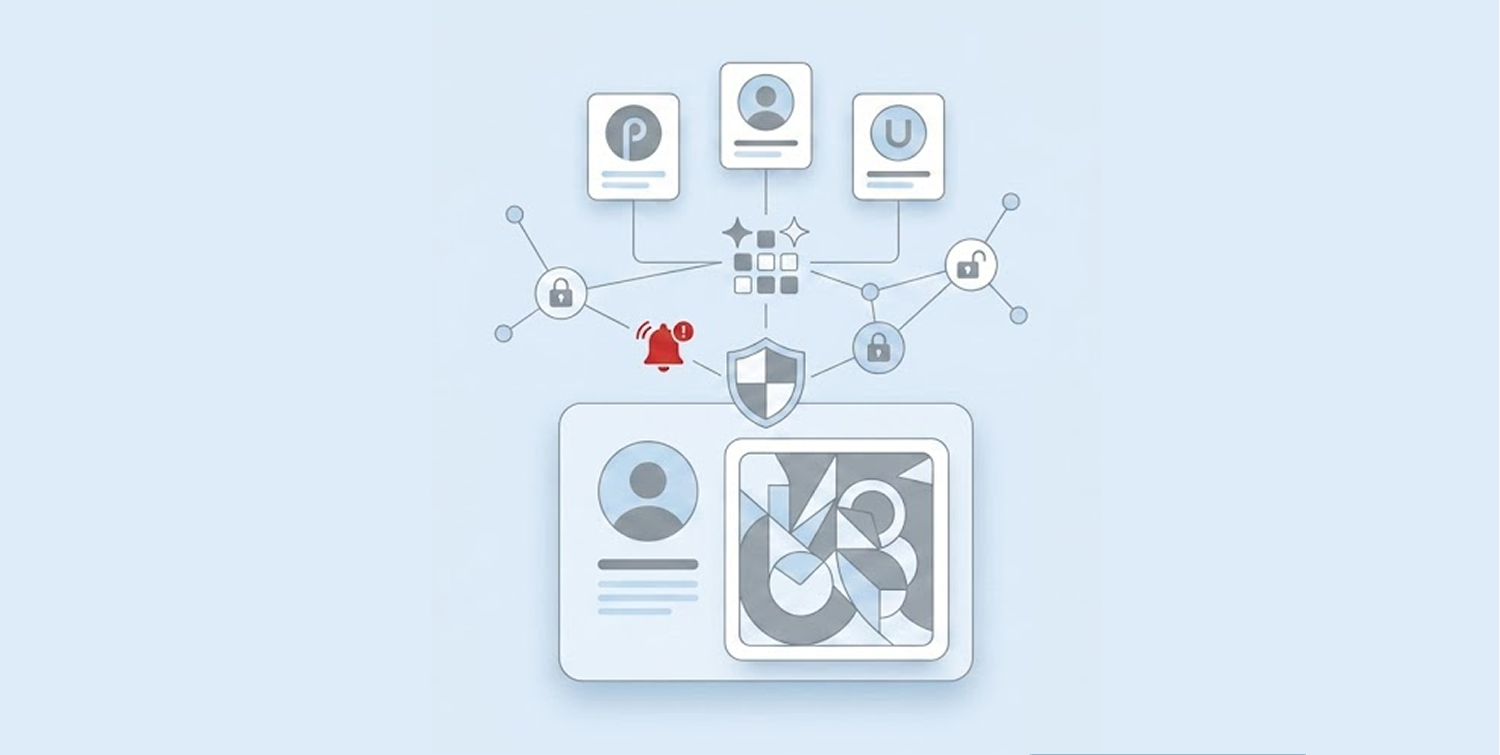
Meta launched a new AI feature that lets users create computer drawings by tagging public Instagram accounts.
-
The system automatically includes all adult public profiles by default and does not send any notification to owners.
-
Users can stop the automatic photo scraping by adjusting their sharing settings or turning their profiles to private.
A massive social media corporation named Meta recently started a powerful new computer program for its millions of users. This brand new utility allows individuals to create artificial illustrations by using real photographs from internet accounts.
People can easily trigger the computer system by typing a specific username into their chat screen options. However, this sudden update raises major worries among internet safety groups regarding personal secrecy and user data control.
The digital platform automatically includes all public adults in this picture collection system from the very first day. Concerned account owners must navigate hidden menus to opt out of the photo scraping system manually.
How the fresh picture maker collects your personal images without asking first
The giant technology company launched this fresh electronic tool under the name Muse Image this week. This program uses advanced calculations to turn standard text instructions into colorful digital drawings and modified artwork graphics.
The feature operates directly inside popular global messaging systems like WhatsApp and the main Meta AI website. Anyone can use the software tool without paying any money or downloading special files.
The most striking part of this tool involves how it interacts with public profiles on Instagram. If an individual keeps their profile visible to the world, the computer system can access their uploaded pictures.
Another user simply needs to type the character symbol followed by a specific username into the application box. Tech companies are increasingly exploring new ways to verify identity. Google has been testing camera-based hand gesture verification for reCAPTCHA, raising similar privacy concerns.
The system then crawls through that public profile to find facial references and backdrop scenery for the prompt. For instance, someone could tag your name and command the system to place your face on an alien planet. The smart engine copies your physical likeness and blends it into a completely fake digital environment instantly.
The company states that this action aligns perfectly with their existing platform rules regarding shared digital material. Many regular consumers find this automatic configuration highly surprising because they never gave explicit permission for this use.
The rules for missing accounts and who receives automatic protection
The social media giant applies different safety rules to different types of consumer accounts across its electronic network. The development team completely blocks the image tool from gathering photos from private internet profiles.
If you lock your page so only approved friends can see your posts, your images remain totally safe. The tracking software cannot read your private uploads or share them with strangers inside the chat app window.
The firm also provides automatic protection for all children who use their online services globally. The system completely excludes any user who is under the age of eighteen from this photo scraping project.
This means the computer engine will reject any attempt to tag a teenager’s profile for an art prompt. Consumer protection networks closely monitor how large tech companies handle the data of young people every single day.
However, the reality looks very different for millions of regular adult users who maintain public profiles online. The corporate system automatically signs up every adult for this data-sharing initiative without asking for permission beforehand.
Furthermore, the company does not send any alert message when someone uses your face in their digital creations. You will remain completely unaware that a stranger is remixing your private moments unless you happen to see it.
Steps for changing your personal options and the growing privacy protest
Many consumer privacy advocates express intense anger regarding this automatic inclusion model. They state that tech corporations should always ask for clear permission before turning your face into raw digital material.
These watchdog groups argue that the current setup forces everyday people to do extra work to protect themselves. Instead of choosing to join, users must hunt for a special off switch hidden deep inside their settings.
Sincerely, you can turn off this feature without making your entire social media profile private from your friends. First, you must open the official application on your mobile phone and view your main personal profile.
Next, you tap the options button in the upper corner and select the menu for sharing and reuse. Scroll down until you spot the section that mentions creating content with your personal uploads and photos.
You must flip two separate switches to the off position to fully protect your images and video reels. Make sure the dark slider moves to the correct side to confirm the system is truly dead. This action successfully blocks the digital creator tool from using your future uploads for automatic internet drawings.
However, the company warns that this change will not delete any images that people have already made using your face. They provide excellent advice on fighting invasive tracking tools deployed by massive modern communication platforms.
