
-
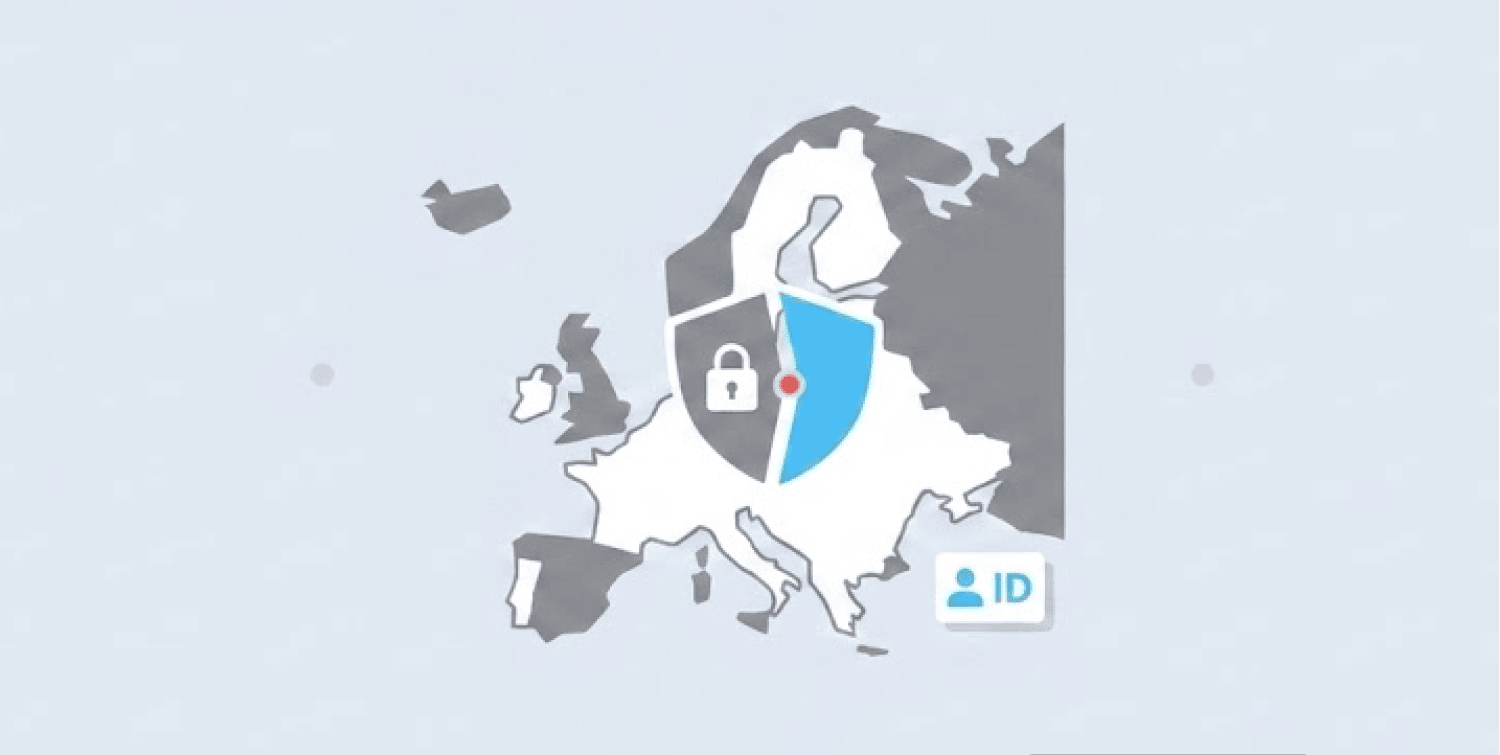
Henna Virkkunen, the EU Executive Vice-President, has signal plans to restrict VPN usage as part of enforcing the bloc’s age verification system, drawing comparisons to Russian-style internet controls.
-
The EU’s age verification app was hacked in under two minutes by security researchers who bypassed PIN protection, disabled biometric checks, and found sensitive data stored in plain text.
-
Spanish courts have already ordered VPN providers to block content, causing collateral damage to legitimate services including payment providers and healthcare operators.
The European Union has signaled plans to restrict virtual private network usage across member states. According to Executive Vice-President Henna Virkkunen, handling VPNs reflects a key milestone in developing the EU’s age verification system.
Critics are concerned that restricting access to VPNs will negatively impact the privacy of personal information protection and compromise cybersecurity throughout Europe. VPNs encrypt data on the Internet and provide users with an alias so they remain hidden on the internet from tracking by businesses, hostile entities, or governments.
Cybersecurity professionals describe the proposed ban on VPNs as a ‘cybersecurity suicide mission,’ and also claim that this would place citizens at great risk.
Age verification app blew up in two minutes before VPN talk even began
The EU’s rollout of its age verification technology got off to a disastrous start. Security consultant Paul Moore bypassed the app’s protections in under two minutes using nothing more than a simple file explorer. He reset PIN access, disabled biometric checks, and removed rate limits by editing a local configuration file.
French cryptographer Olivier Blazy independently confirmed these findings. Both researchers told Politico they tested the latest version of the code when discovering the flaws. The app stored encrypted PINs and rate-limiting controls in editable files on the device itself.
Worse still, the application reportedly stores raw biometric data and selfie images in plain text on user devices. This directly contradicts the Commission’s promises of privacy protection and data anonymization. The Commission later dismissed the release as merely a “demo version,” despite having presented it as production-ready just days earlier.
More than 400 privacy and security researchers wrote to the Commission in March asking for a moratorium on deployment. They argued that the science on age-verification technology remains unsettled.
Spanish courts already forcing VPNs to block content
Enforcement actions against VPNs are not just theoretical; Spanish courts have already issued orders to NordVPN and Proton VPN to block the IP addresses associated with the illegal transmission of football games. LaLiga, Spain’s leading football league, uses these outcomes through its organization’s anti-piracy initiative.
LaLiga’s aggressive tactics haven’t stopped at VPNs. In a striking example of how broad these anti-piracy crackdowns can become, Spain’s LaLiga blocks US Federal site in broad anti-piracy crackdown, demonstrating that even legitimate government domains can become collateral damage when copyright enforcement casts too wide a net.”
Critics of this enforcement methodology state that there will be a lot of collateral damage due to such a broad enforcement initiative. Entirely legitimate services sharing the same infrastructure get knocked offline, including payment providers and even national health operators. When authorities block an IP address, anyone depending on that address loses access, regardless of whether they did anything wrong.
VPN providers warn that treating them as content moderators fundamentally misclassifies their role. NordVPN stated that VPNs function as encrypted tunnels, not platforms or hosting providers. They have no role in distributing or hosting pirated material.
Security experts condemn the crackdown as dangerous overreach
French cybersecurity authority Cybermalveillance.gouv.fr specifically warned that preventing VPN use creates serious security risks. The agency’s director Jérôme Notin explained that the use of VPNs is very significant – it protects remote workers, journalists communicating with sources, and businesses relying on encrypted communications.
Also, experts note that blocking VPN infrastructure is simpler and more disruptive than it appears. When an ISP blocks a VPN server, the connection fails before it even establishes, the effect cascades across unrelated services sharing the same infrastructure. Some indicated that VPNs can be downloaded outside application stores, so online anonymity does not equal impunity.
The core contradiction remains glaring. The EU claims it cannot stop millions of illegal migrants from entering, yet suddenly claims to have invented an “unbypassable” age-ID system. Critics argue the real motivation has nothing to do with child safety and everything to do with controlling what Europeans can read online.
Many people have frowned at the government’s decision to ban the use of a VPN. They described the crackdown as exactly what you would design if you wanted to control who accesses what, monitor what people say, and restrict access based on those observations.
