
-
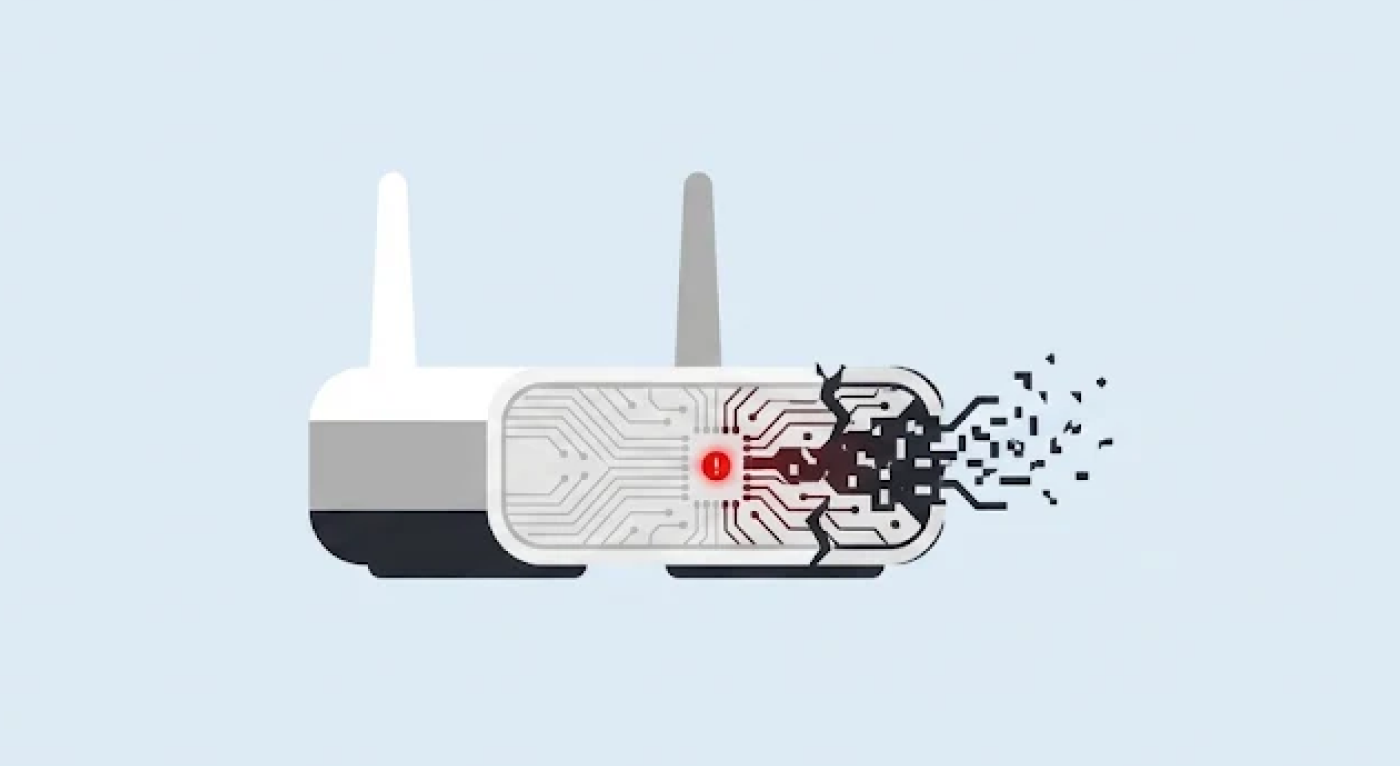
Hackers used a flaw in GL.iNet’s GoodCloud platform to install malware on customer routers and KVM devices.
-
Researchers checked 183 routers and found suspicious activity on 152 of them.
-
GL.iNet fixed the cloud flaw, but the fix does not remove malware from devices already infected.
Hackers have used a weakness in GL.iNet’s GoodCloud platform to install malware on customer devices. The targets included routers and KVM devices.
GoodCloud is the company’s remote management service. The attackers gained remote access to infected devices through root-level reverse shells and persistent backdoors. The company’s own security notice confirms the incident.
GL.iNet confirms Cloud attack on customer devices
GL.iNet published its notice on November 20, 2026. The company said an unauthorized party used a flaw in its cloud services. That party reached customer devices and installed harmful software.
GoodCloud lets users manage supported GL.iNet devices from far away. The KVM products add another feature. They let users control connected computers and servers from another location.
According to the company’s advisory, GL.iNet has blocked the attack path and fixed the cloud flaw. That fix does not clean devices that are already infected. Customers still need to deal with any malware left behind.
The company has not shared how many customers were affected. It has not explained how the attackers got in. It has also not said whether they stole any information. GL.iNet is now checking whether computers linked to infected KVM devices suffered any harm.
Researchers find backdoors and hidden connections
After the notice, researchers and customers began sharing proof of infections. Some routers reportedly opened root-level reverse shells to a server run by the attackers. That server sits at 170.39.226[.]219.
Researchers at RemoteToHome Consulting studied routers they owned or managed. Their first review covered 183 devices. They found suspicious activity on 152 routers. Of those, 24 had root-level reverse shells. Another 47 had older persistent backdoors. The last 81 showed signs of commands supplied by attackers.
The researchers added two warnings. Their numbers came only from their own devices, so they may not match the wider picture. Some older backdoor infections may also have nothing to do with the November attacks.
RemoteToHome also found a possible command injection weakness in the GoodCloud client. According to the researchers, one part of the client accepts values from the cloud. It then passes them into shell commands with root privileges, without proper checks. GL.iNet has not confirmed that attackers used this weakness.
Linux security flaws can also allow attackers to gain elevated privileges on affected systems. In a separate case, in May this year, a vulnerability known as DirtyDecrypt was reported to let local attackers escalate their privileges to root.
A customer using the forum handle @dja shared a separate case. Their GL-RM1 KVM downloaded a suspicious script and executable files from 66.245.219[.]252. The owner also saw connections to about 1,800 residential IP addresses each day. The device sent repeated requests to the TRON blockchain API as well. Nobody has explained the purpose of this activity yet.
Reports say an analysis of the script showed what it could do. It could install files named gl-helper and gb, it could create startup tasks and keep access after a device restarts. It could also swap the real netstat tool for a changed version. That version hides connections to the attacker’s server.
The malware also supported SSH key installation and remote commands. Some recovered files carried timestamps from December 2025. This suggests some devices may have been infected months before the disclosure.
Customers question detection as GL.iNet updates its advice
The incident left many customers with questions. On the company’s official forum, user @xize11 asked a simple question. Does linking a router to GoodCloud expose it, even when remote access is off? The same user worried that WireGuard server credentials might be exposed.
Another member, @Andrew1, asked for clearer steps to spot infected devices. The member also asked whether people can safely restore configuration backups after a factory reset.
User @elvisimprsntr offered a plan. It told people to isolate affected KVM devices and keep their logs. It also told them to reinstall firmware without restoring old settings. The last step was to check any connected computers.
GL.iNet first told users to look for a running process containing crond -i /tmp/.log. Researchers warned that this check might miss infections that use other backdoors and reverse shells.
The company changed its tone in a November 23 update. GL.iNet admitted its basic checks might not find every infected device. It has since released stable security firmware for several router and KVM models.
The latest advisory gives affected users a clear task. They should install the correct security firmware for their specific device. This applies even when the first checks find nothing. GL.iNet also plans to email customers it identifies as affected.
Users should also inspect their connected computers. They should look for suspicious programs, unknown accounts, odd startup tasks, and unusual network activity. The investigation is still ongoing, and the full impact of the attack remains unknown.
